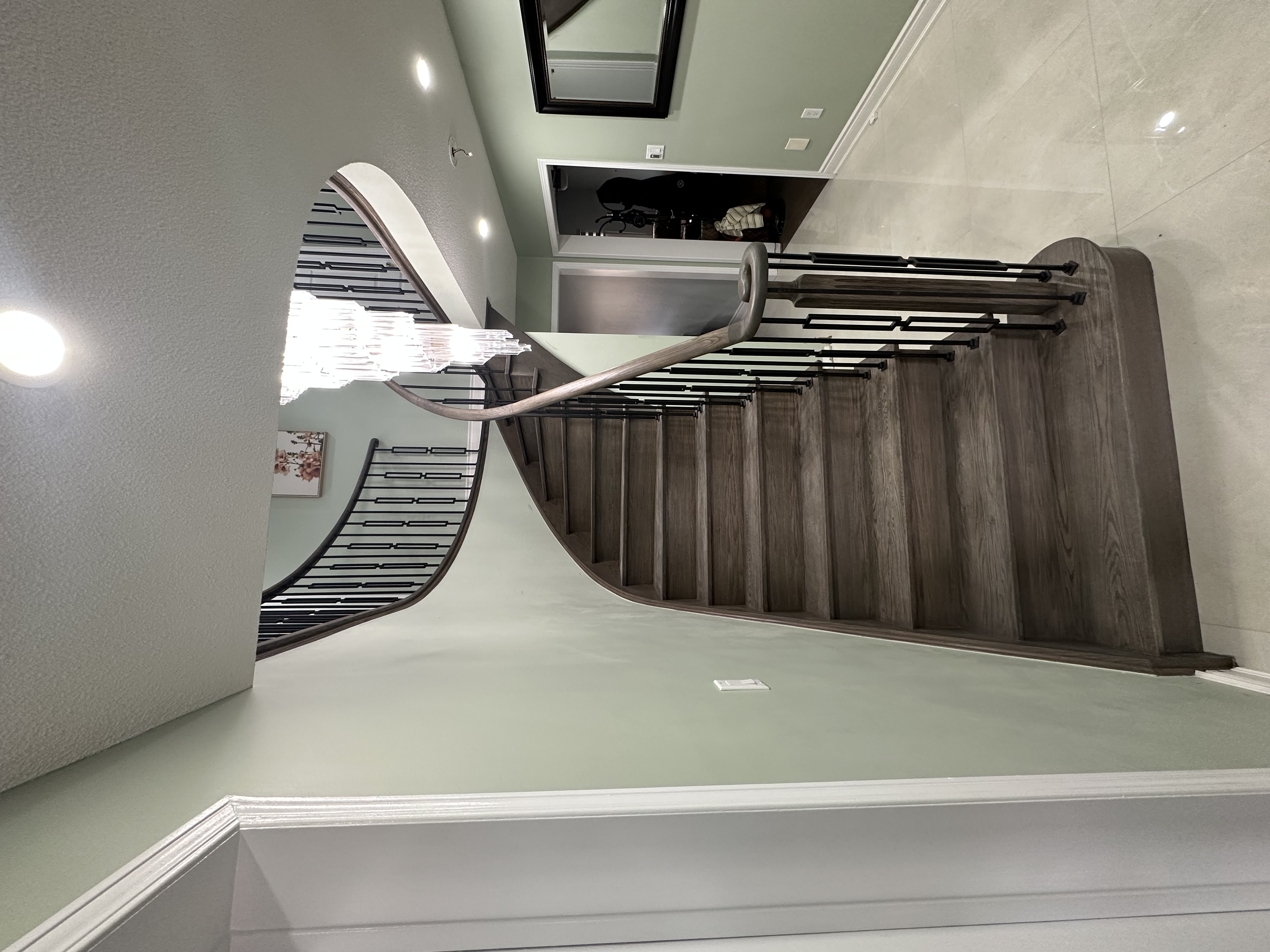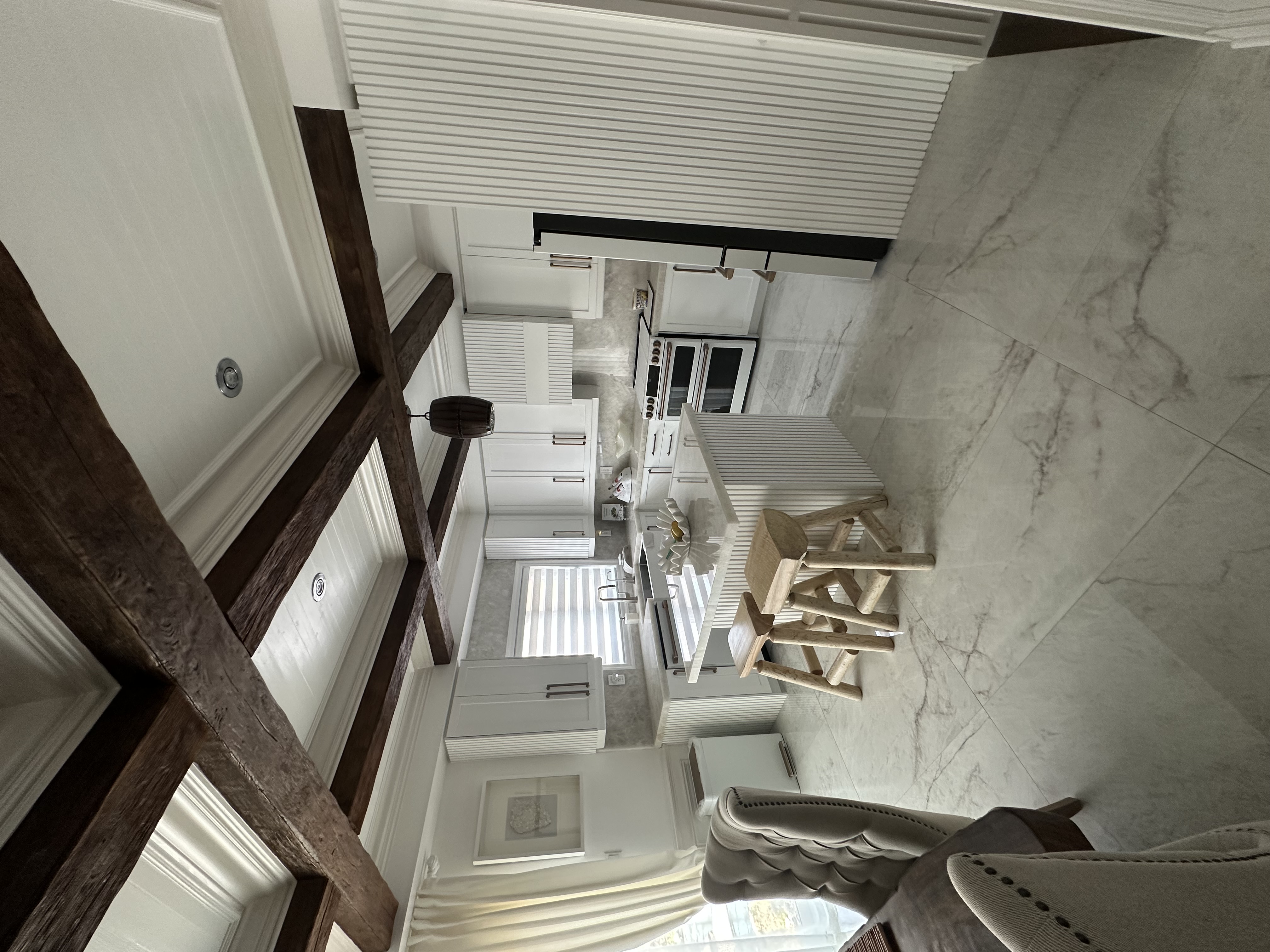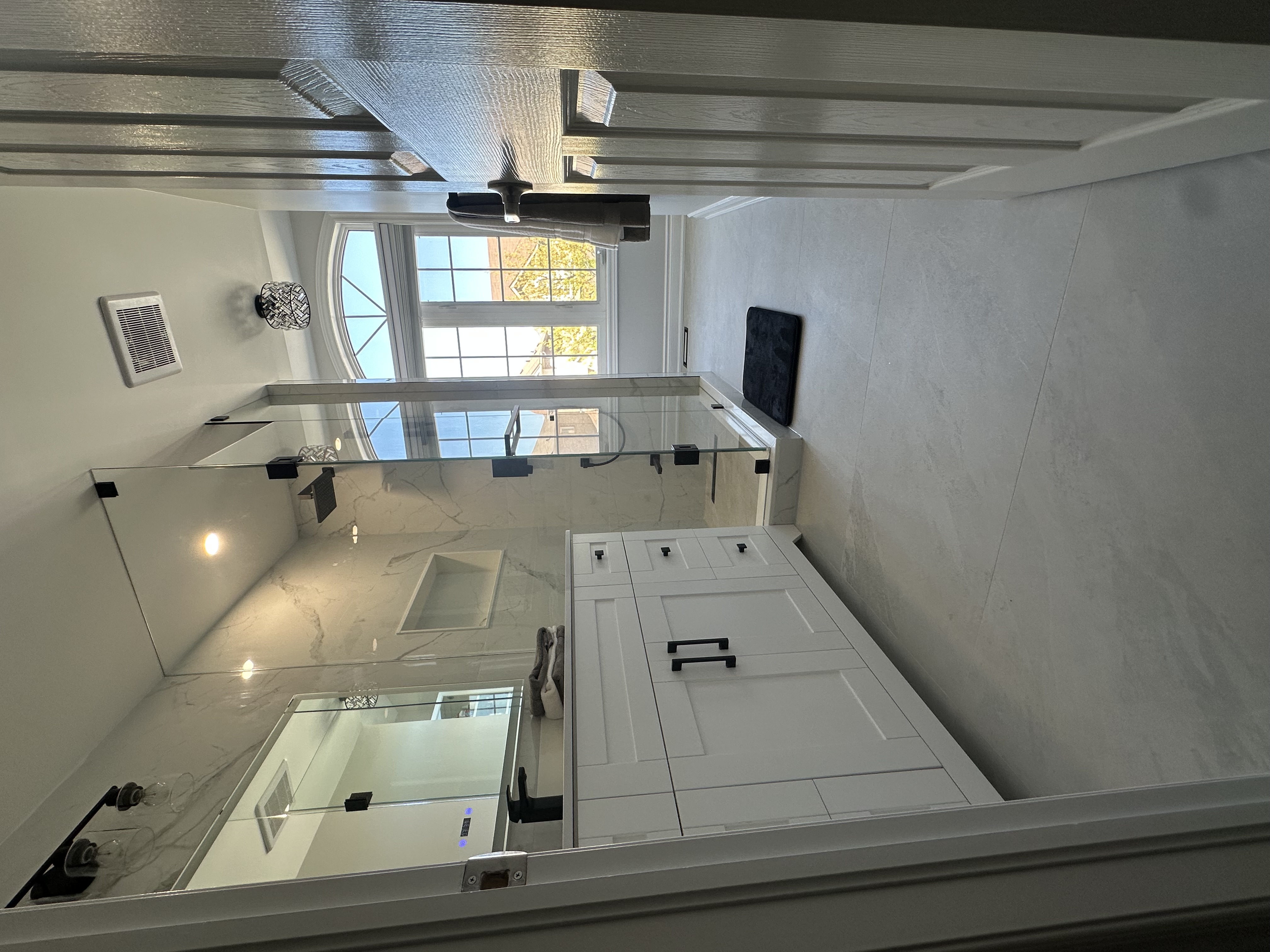

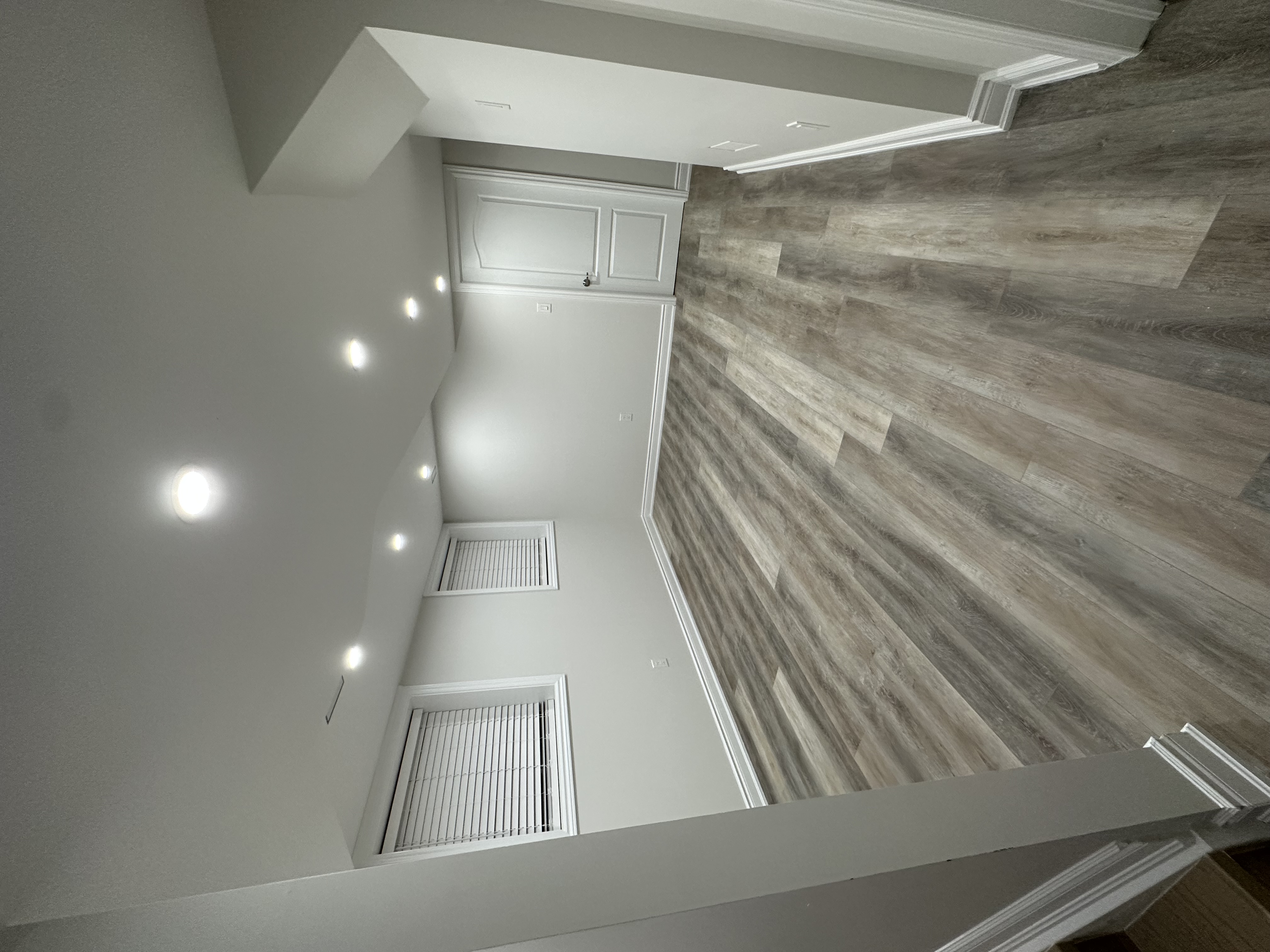
Thanks for sharing the photos of the basement. Based on the images provided, this appears to be a finished basement unit, and possibly a legal basement apartment given the following features:
✅ Indicators of a Potentially Legal Basement:
- Separate Entrance: While not shown explicitly, the hallway and door layout suggests a possible separate entry.
- Proper Flooring & Finishing: Clean flooring, painted walls, baseboards, and ceiling lights suggest it meets basic building codes.
- Kitchen Area: Full kitchenette with cabinets, a sink, range hood, and cooktop indicates it’s equipped for independent living.
- Windows: There are multiple windows that may serve for egress (a requirement for safety and legality).
- Ceiling Height & Lighting: Recessed lighting and seemingly proper ceiling height also meet code in many areas.
⚠️ What’s Missing or Not Verifiable From Photos:
- Permits and Inspections: Only your municipality can verify if it’s legally registered.
- Fire Separation & Egress Windows: Photos show windows, but their size and height above ground must meet egress standards.
- Separate HVAC and Electrical Panels: Not visible—legal units usually have separate controls or appropriate access.
- Soundproofing/Fireproofing Requirements: These are building code necessities for legal units.
- Entrance Confirmation: If this unit lacks a private entrance, it may not be considered legal.
✅ What You Can Do to Confirm Legality:
- Check with the Municipality: Contact the city or town’s building department and ask if the unit is registered.
- Request Documentation: If you’re a tenant or buyer, ask the landlord/seller for proof of registration and permits.
- Property Tax Record Check: Legal second units often show up as such on municipal tax/property records.
If you’d like, I can help draft an inquiry email or checklist to ask the municipality or landlord. Would you like that?